12 Sep, 2025
02 Comments
Amit Anand
Why Data-Driven Diagnostics Are Essential for Modern Vehicles
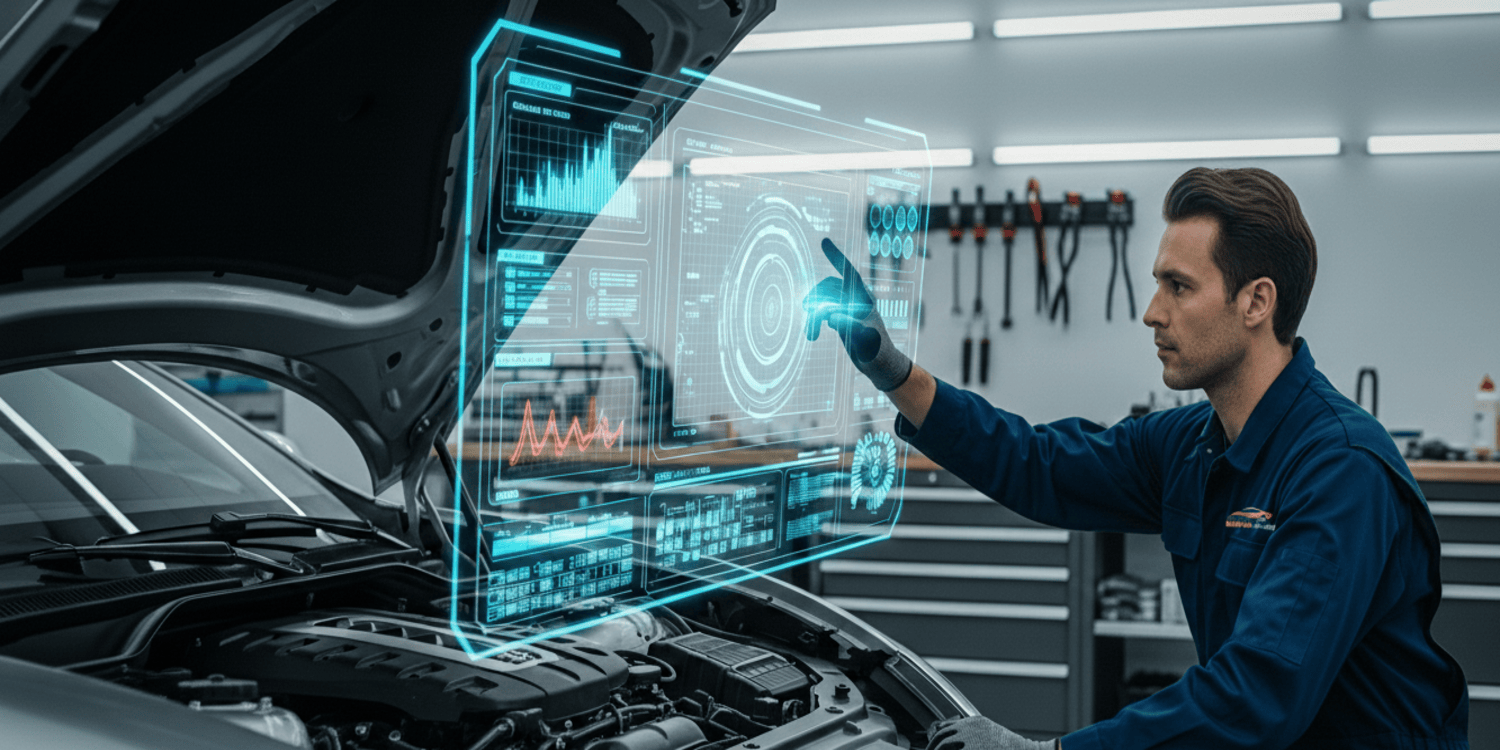
Today’s vehicles are far more complex than ever before. From luxury cars to motorcycles, every system is supported by electronics, sensors, and data-driven technology. Diagnosing issues manually can be time-consuming and sometimes inaccurate. That’s why data-driven diagnostics are essential for modern vehicle care.
What Are Data-Driven Diagnostics?
Data-driven diagnostics use workshop data and specialized software to:
- Detect errors in the engine, transmission, brakes, and sensors.
- Provide a detailed breakdown of faults with error codes.
- Predict potential failures before they occur.
The Key Advantages
- Precision Repairs
Every issue is addressed at its root, not just the symptoms. - Preventive Maintenance
Software highlights potential problems before they cause breakdowns. - Lower Costs
Avoids unnecessary repairs and replacements. - Faster Turnaround
Vehicle downtime is minimized with quicker detection.
How Repair Assist Helps Drivers
- For cars → Our software can detect issues like fuel injector failures, wiring faults, or brake sensor errors.
- For motorcycles → We identify ignition issues, clutch problems, and electronic malfunctions in real time.
The Future of Maintenance
With predictive diagnostics, drivers can enjoy smoother rides, fewer breakdowns, and improved safety. Repair Assist is committed to keeping your vehicles road-ready with smart, data-driven repairs.
Your vehicle deserves more than guesswork—choose data-driven diagnostics for peace of mind.